1099 nec vs 1099 s freelancers
If you’ve been freelancing for a while, you’re probably familiar with forms like the 1099-NEC and maybe even the 1099-K. But then — out of nowhere — you hear about Form 1099-S, and your brain instantly goes: “Wait, do I need to worry about that too?”
Let’s break it all down in plain English. Whether you’re just starting out or already managing multiple clients, understanding what Form 1099-S is (and if it applies to freelancers) can save you headaches, money, and even an audit.
What Is Form 1099-S?
What is a 1099-S

What is a 1099-S
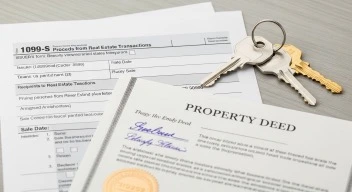
Form 1099-S is an IRS tax form used to report proceeds from real estate transactions. This includes the sale or exchange of:
- Homes and buildings
- Land (improved or unimproved)
- Commercial property
- Certain mineral rights
It’s typically issued by the real estate agent, closing attorney, settlement agent, or title company involved in the transaction.
Key Point: 1099-S is not designed for freelance services or client payments. But there are rare cases when a freelancer could receive one.
Who Normally Receives a 1099-S?
People who sell real estate — such as:
- Homeowners
- Real estate investors
- Landlords liquidating property
- Corporations or trusts offloading real estate assets
The form reports the gross proceeds, not profit or taxable gain. That means it shows how much money was exchanged in the sale, regardless of how much you earned after expenses.
Here’s a breakdown from the IRS with full instructions.
Do Freelancers Need to File a 1099-S?
Short answer: Not unless you’ve sold property.
If you’re a freelance writer, designer, developer, or coach, you likely don’t need to worry about a 1099-S — unless you did one of the following:
- Sold real estate related to your business (such as a studio or office space)
- Had a property in your name that was used for work and then sold
- Flipped real estate as part of a side hustle or investment strategy
In these cases, your freelance taxes could be impacted by the sale, especially if it was tied to your business identity (e.g., sold under your LLC).
For related reading, check out Freelancers vs. Self-Employed: What You Need to Know for Taxes & Deductions.
How Is 1099-S Income Taxed?
What is a 1099-S
What is a 1099-S
The proceeds reported on a 1099-S could lead to:
- Capital gains tax if you sold the property for more than you paid.
- Ordinary income tax if the IRS determines it was business income.
- Self-employment tax if it’s linked to an active business.
Here’s the difference:
| Scenario | Tax Type |
| Sold your primary home | Capital Gains (some exclusions apply) |
| Sold a business-use property | Capital Gains + Depreciation Recapture |
| Flipped real estate as business | Business Income + SE Tax |
This IRS article offers guidance on real estate sales and capital gains.
Difference Between 1099-S and Other 1099 Forms
| Form | Purpose | Relevant to Freelancers? |
| 1099-NEC | Reports payments for freelance services | ✅ Yes |
| 1099-K | Reports payment processing income (PayPal, etc.) | ✅ Sometimes |
| 1099-S | Reports real estate sales proceeds | ❌ Rarely |
If you’re unsure which form applies to your situation, use our Freelance Tax Calculator to estimate how different income types affect your taxes.
How to Handle 1099-S as a Freelancer
If you do receive a 1099-S:
- Confirm the Property Use
Was it for personal use, business use, or mixed? - Determine Taxable Gain or Loss
You only pay tax on the gain (sales price – purchase price – improvements – fees). - Depreciation Recapture
If the property was used for business, you may owe taxes on depreciation you claimed. - Report on Schedule D or Form 4797
- Personal use: Schedule D
- Business use: Form 4797 (and possibly Schedule C)
- Get Professional Help
These cases are complex. A tax pro can help avoid errors and save money.
Examples of When Freelancers Might Get a 1099-S
| Example | Do You Need 1099-S? |
| Sold your home with a home office | Maybe (if deduction was claimed) |
| Sold land used for photo shoots | ✅ Yes |
| Flipped a house through your LLC | ✅ Yes |
| Sold personal residence with no business use | ❌ No |
| Client paid you via real estate (very rare) | ✅ Possibly |
Best Practices: What Freelancers Should Do
- Keep documentation: Keep property deeds, business usage logs, receipts, and depreciation schedules.
- Track business usage: If you used part of your home for work, note the square footage and time used.
- Use accounting software: Tools like QuickBooks Self-Employed or Wave can help classify property sales correctly.
Related reading: Top 10 Freelance Tax Deductions You Need to Know in 2025
Final Thought: Should You Be Concerned About Form 1099-S?
For most freelancers, the answer is no — unless you’re actively involved in real estate as part of your business. Still, it’s essential to understand the form’s purpose and know what to do if it shows up in your mailbox.
Being tax-smart isn’t just about writing off laptops or tracking miles. It’s also about knowing how non-service income, like property sales, might impact your tax return.If you ever sell a home, studio, or land tied to your freelance work — talk to a tax professional. A quick consultation could save you thousands in penalties, missed deductions, or accidental errors.