Freelance tax rules
Freelancing gives you the freedom to work from anywhere—but with that freedom comes the responsibility to understand how taxes work in your state of residence. Whether you’re sipping coffee in Seattle or hustling in Houston, each state has its own set of tax rules that can affect your take-home pay, deductions, and even how you file.
This post breaks down everything freelancers need to know about state-specific freelance tax rules, how to navigate income tax if you’re self-employed, and what steps you should take to stay compliant no matter where you live.
Why it matters: Ignoring your state’s rules can lead to penalties, missed deductions, or worse—an audit. Let’s prevent that.
1. Do All U.S. States Tax Freelance Income?
Not exactly.
While the federal government taxes all freelance income, states are a different story. As of now:
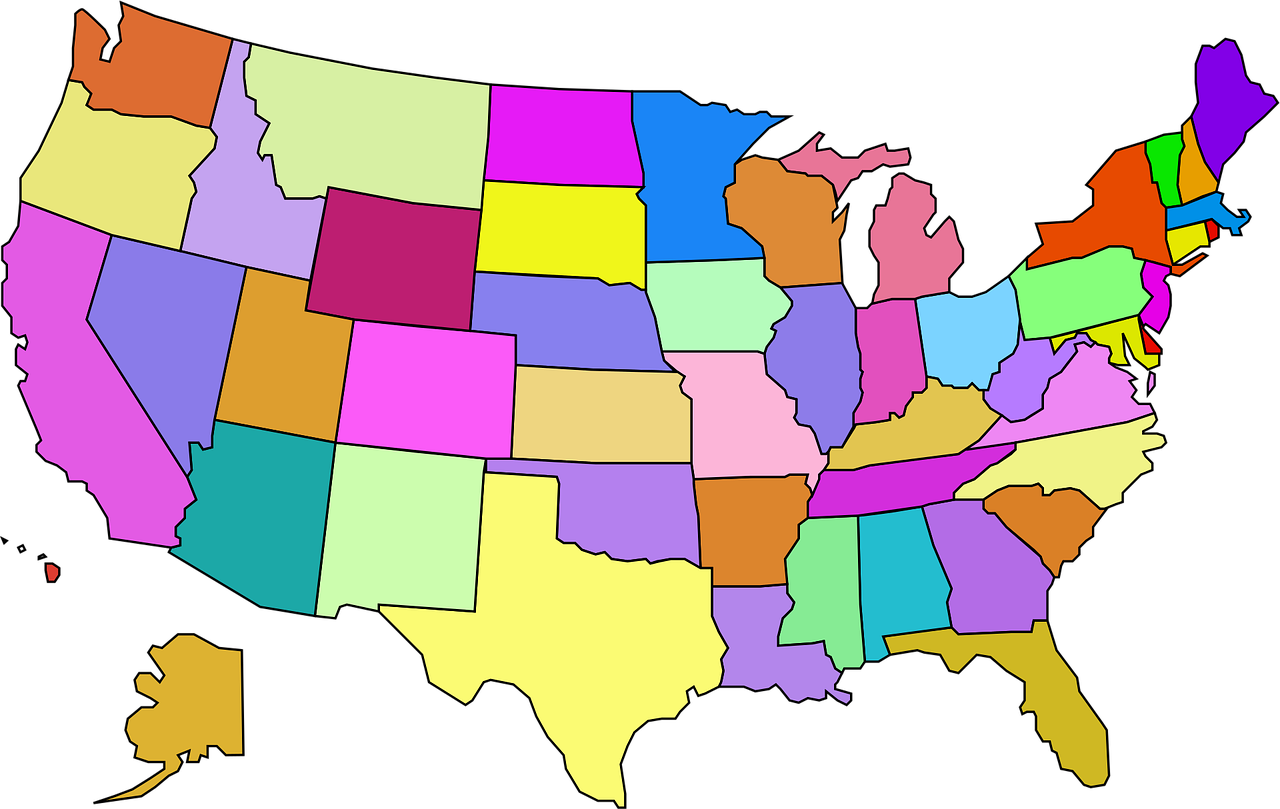
- 9 states have no state income tax: Alaska, Florida, Nevada, New Hampshire, South Dakota, Tennessee, Texas, Washington, Wyoming.
- 41 states + D.C. do impose income tax on freelance earnings.
Check your State and tax filing tips here
2. Why State Taxes Matter for Freelancers
Your state tax rate influences:
- How much estimated tax you must pay quarterly
- Which deductions are allowed or limited
- Which forms you must file
- Whether you’re responsible for city/local taxes
If you’re earning $60K as a freelancer in California, your state tax liability could be over $3,000. In Texas, it’s zero.
Try it yourself with our Freelance Tax Calculator to estimate your federal + state taxes.
3. Key States and Their Tax Rules for Freelancers
Here’s a breakdown of rules in 10 major states where freelance work is common:
California
- State Income Tax: Yes (progressive, 1% to 13.3%)
- Key Notes: Very freelancer-heavy state. You must file Form 540 for personal income tax.
- Estimated Tax: Use Form 540-ES.
- Local Business Licenses: Often required by county or city.
California Franchise Tax Board
New York
- State Income Tax: Yes (4% to 10.9%)
- NYC Freelancers: Must also file New York City Unincorporated Business Tax (UBT).
- Forms: IT-201 (residents), IT-203 (non-residents).
Learn more about NYC tax rules here
Texas
- State Income Tax: ❌ No
- But: You may still owe sales tax if you sell digital products.
- Tip: Keep clean records in case of a federal audit.
Florida
- State Income Tax: ❌ No
- Self-Employment Tax Only: Yes, via the IRS.
- Note: Still file a federal return and quarterly estimated taxes.
Illinois
- State Income Tax: Yes (flat 4.95%)
- Forms: IL-1040
- Extra Tip: You can deduct health insurance premiums if self-employed.
Colorado
- State Income Tax: Yes (flat 4.4%)
- Use: DR 0104 for individuals.
- Tip: Keep a separate business bank account—required for some deductions.
Washington
- State Income Tax: ❌ No
- BUT: Businesses must file Business & Occupation (B&O) tax if earnings exceed thresholds.
Massachusetts
- State Income Tax: Yes (flat 5%)
- Form: Schedule C + Schedule SE
- Tip: Keep track of business use of home deductions.
Pennsylvania
- State Income Tax: Yes (flat 3.07%)
- City taxes: May apply (e.g., Philadelphia wage tax: ~3.79%)
Oregon
- State Income Tax: Yes (4.75% to 9.9%)
- Must file: OR-40 + Schedule C
- Special Deduction: Opportunity Grant Credit for small business owners.
4. States with No Income Tax — But Don’t Relax Yet
If you live in one of these 9 states, you don’t pay state income tax, but you may still:
- Owe federal self-employment tax (15.3%)
- Be responsible for local/county business licenses
- Need to collect sales tax for digital services
These states are:
Alaska, Florida, Nevada, South Dakota, Texas, Washington, Wyoming, New Hampshire, Tennessee
Even in these states, you’re still on the hook with the IRS. Use our guide to filing freelancer taxes for federal requirements.
5. Estimated Taxes at the State Level
Freelance tax rules

Freelance tax rules
In most states, freelancers must pay estimated taxes quarterly to avoid penalties. Here’s what to do:
- Use your state’s Estimated Tax form (e.g., CA 540-ES, NY IT-2105)
- Pay 4 times/year: April 15, June 15, September 15, January 15
- Include income from all freelance sources, including side gigs, consulting, and digital products
Tip: Create a spreadsheet—or better yet, use expense tracking software.
6. Sales Tax & Freelance Services
Some states require sales tax collection if you:
- Sell digital products (eBooks, templates, downloads)
- Offer certain services like design, development, or training
Example: In New York, web design is taxable; in Texas, it’s not.
7. Do You Need a Business License or Registration?
State or local governments may require:
- Freelance business registration
- Business license renewal
- Local tax ID or EIN
Bringing It All Together:
Every state has its own tax rules—and while that can be overwhelming, understanding your responsibilities will keep your income safe, your books clean, and your audits at bay.
– Use tools like our Freelance Tax Calculator
– Bookmark your state’s tax portal
– Set up quarterly reminders
– Keep every receipt (yes, every coffee if it’s business-related).
Don’t forget: Taxes aren’t just a cost—they’re also a chance to optimize your deductions and grow your profit smartly.