
Freelancing gives you flexibility.
You choose your clients. You decide when and where you work.
But taxes?
That part trips up even smart, organized freelancers.
Most freelancer tax problems don’t happen because someone is careless. They happen because no one explains the rules clearly at the beginning. So people guess. Or wait. Or assume things will “work themselves out.”
They don’t.
This guide walks you through seven common freelancer tax mistakes that quietly cost people money every year—and shows you exactly how to avoid them without stress or complicated systems.
Why Freelancer Tax Mistakes Are So Common
If you’ve ever thought, “I’ll deal with taxes later,” you’re not alone.
Freelancers don’t have:
- Employers withholding taxes
- HR reminders
- Automatic payroll reports
Instead, you’re expected to handle everything yourself while also doing client work.
That’s a big shift—especially if freelancing started as a side hustle.
Mistake #1: Not Reporting All Freelance Income
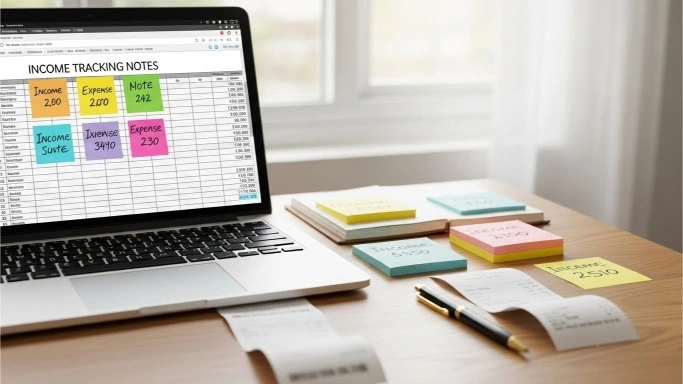
This is the most common freelancer tax mistake—and the one that causes the biggest problems.
Why It Happens
Freelancers often believe:
- Small payments don’t matter
- Income only counts if a 1099 arrives
- PayPal or Stripe payments are “invisible”
None of that is true.
The Reality
All freelance income is taxable, including:
- One-off projects
- Cash payments
- Platform payments
- International clients
Even if you never receive a tax form, the income must be reported.
How to Avoid This Mistake
- Track every payment when it arrives
- Report gross income, not just profit
- Don’t rely on 1099s to tell the full story
Tracking early prevents panic later.
Mistake #2: Forgetting About Self-Employment Tax
Many freelancers expect to pay income tax.
They forget about self-employment tax.
What Self-Employment Tax Is
It covers:
- Social Security
- Medicare
Employees split this with their employer.
Freelancers pay both halves, totaling about 15.3%.
Why This Causes Shock
Someone earning $20,000 freelancing may owe thousands in taxes—on top of their regular job taxes.
How to Stay Prepared
- Learn how self-employment tax works
- Estimate tax impact early
- Use a freelance tax calculator before spending income
Understanding this one concept alone prevents most “surprise” tax bills.
Mistake #3: Not Saving Enough for Taxes

This mistake doesn’t show up until tax season—and then it hurts.
Why Freelancers Struggle Here
Freelance income feels like bonus money.
It’s easy to forget that a large portion belongs to the IRS.
A Simple Rule That Works
Many freelancers set aside:
- 25%–30% of freelance income
This usually covers:
- Self-employment tax
- Federal income tax
- State tax (if applicable)
A Practical Habit
Transfer tax money to savings as soon as you get paid.
If you never see it, you won’t miss it.
Mistake #4: Skipping Quarterly Estimated Taxes
Quarterly taxes confuse a lot of freelancers—so they ignore them.
When Quarterly Taxes Are Required
If you expect to owe $1,000 or more in taxes, the IRS expects estimated payments.
Skipping them can lead to:
- Penalties
- Interest
- Larger year-end bills
Why Freelancers Skip Them
- They don’t know the rule
- They’re unsure how to calculate payments
- They assume they can “catch up later”
How to Fix This
- Estimate income early in the year
- Pay quarterly instead of all at once
- Adjust payments if income changes
The IRS Estimated Tax Guidelines explain this clearly and are worth reviewing.
Mistake #5: Missing Legitimate Tax Deductions
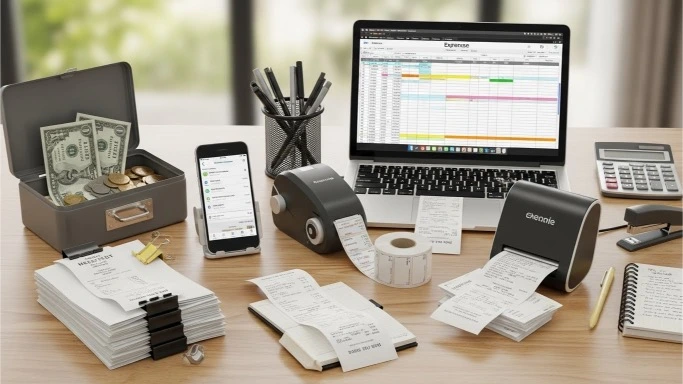
This mistake doesn’t cause penalties—but it costs money.
Common Freelance Deductions
Many freelancers forget to deduct:
- Laptop and equipment
- Writing or design software
- Internet (business portion)
- Education and courses
- Website hosting and tools
Every missed deduction means higher taxable income.
Why Deductions Get Missed
- Receipts aren’t saved
- Expenses aren’t tracked monthly
- Fear of doing something wrong
If you’re eligible, deductions are your right—not a loophole.
Read also: Can Freelancers Claim Home Office Deductions? (The Best Answer)
Mistake #6: Mixing Personal and Business Finances
This mistake makes everything harder than it needs to be.
What Mixing Looks Like
- One bank account for everything
- Personal and business expenses combined
- Confusing records at tax time
Why It’s a Problem
- Harder to track deductions
- Easier to miss income
- Riskier in case of an audit
Simple Fix
Open a separate bank account for freelance income and expenses.
That one change:
- Cleans up records
- Saves time
- Reduces errors
Mistake #7: Waiting Until Tax Season to Get Organized
This mistake turns small issues into big ones.
Why Waiting Causes Stress
- Missing documents
- Rushed decisions
- Higher chance of mistakes
A Better Approach
You don’t need daily spreadsheets.
You need consistency.
A simple routine works:
- Monthly income review
- Monthly expense check
- Quarterly tax check-in
Read also: The Easiest Way to Track Tax-Deductible Expenses
How These Tax Mistakes Affect Freelancers Long-Term
Left unchecked, these mistakes can lead to:
- Overpaying taxes
- Cash-flow stress
- IRS notices
- Burnout
But avoided early, they create confidence and stability.
Freelancers who understand taxes keep more of what they earn—and sleep better at night.
How to Avoid Freelancer Tax Mistakes Going Forward
Use this quick checklist:
- Track all income
- Save for taxes regularly
- Pay quarterly when required
- Track expenses monthly
- Separate finances
- Review numbers throughout the year
You don’t need perfection.
You need awareness.
Also read: State-by-State Freelance Tax Rules You Need to Know
Short FAQ: Freelancer Tax Mistakes
What is the biggest tax mistake freelancers make?
Not saving for taxes and forgetting about self-employment tax.
Do freelancers need to report small amounts of income?
Yes. All freelance income must be reported.
Can freelancers deduct home office expenses?
Yes, if the space is used exclusively for business. More information here.
Do I need an LLC to avoid tax mistakes?
No. Most freelancers operate as sole proprietors.
What happens if I miss quarterly tax payments?
You may owe penalties and interest. More information here
Final Thoughts: Small Changes Make a Big Difference

Freelancing should feel freeing—not stressful.
Most freelancer tax problems come from missing information, not bad decisions. When you understand the rules early, taxes become manageable instead of scary.
Avoid these seven common freelancer tax mistakes, and you’ll protect your income, your time, and your peace of mind.