
Freelancers vs Self-Employed
If you’ve ever wondered whether you’re considered a freelancer or self-employed, you’re not alone. The IRS doesn’t always make it easy, and tax time can quickly turn from mildly confusing to utterly overwhelming.
Let’s clear things up.
In this guide, we’ll walk you through the essential tax differences between freelancers and self-employed individuals, what that means for your filings, and the deductions you might be overlooking. Whether you’re a gig worker, full-time freelancer, or side hustler, this is your cheat sheet for getting your taxes right in 2025.
Freelancer vs. Self-Employed: What’s the Difference?
Short answer: All freelancers are self-employed, but not all self-employed people are freelancers.
What Is a Freelancer?
A freelancer typically works on short-term projects or contracts for multiple clients. Think writers, designers, developers, and marketers. They usually operate under their own name, send invoices, and get paid per gig.
According to the IRS, freelancers are classified as self-employed because they are not employees of the clients they work with.
What Does Self-Employed Mean?
“Self-employed” is a broader term that includes:
- Freelancers
- Independent contractors
- Sole proprietors
- Small business owners
- Gig workers (like Uber drivers)
The key commonality: you work for yourself and are responsible for your own taxes.
IRS Classification and Tax Responsibilities
How the IRS Views You
The IRS sees both freelancers and the self-employed as independent workers. You’ll typically receive a 1099-NEC from clients if you earn $600 or more.
That means:
- You are responsible for paying your own income tax and self-employment tax.
- You’ll file a Schedule C with your Form 1040.
- You may need to make quarterly estimated payments.
For guidance, see our post on Quarterly Tax Deadlines & How to File.
Self-Employment Tax Breakdown
The self-employment tax rate is 15.3%:
- 12.4% for Social Security
- 2.9% for Medicare
If you earned $50,000 as a freelancer last year, you owe around $7,650 just in self-employment taxes, in addition to regular income tax.
Use our Freelance Tax Calculator to estimate your full tax liability.
Tax Deductions for Freelancers and the Self-Employed
Freelancers vs Self-Employed

Freelancers vs Self-Employed
Whether you’re a freelancer or run a small solo business, you’re eligible for powerful deductions that can reduce your tax bill.
Top Tax Deductions to Know
- Home Office Deduction — For a dedicated workspace at home
- Internet & Phone Bills — Deduct the business-use portion
- Professional Software & Tools — Think Adobe, Canva, Grammarly
- Travel & Mileage — For business trips and client meetings
- Education & Training — Courses that enhance your skills
Learn more in our guide: Top 10 Freelance Tax Deductions You Need to Know in 2025.
Self-Employed Health Insurance Deduction
If you pay for your own health insurance, you may qualify for this deduction, which directly reduces your adjusted gross income.
Retirement Contributions
Solo 401(k) and SEP-IRA plans are excellent ways to reduce your taxable income and save for the future.
Quarterly Estimated Taxes: A Must for All
Freelancers and the self-employed must pay estimated taxes if they expect to owe more than $1,000 for the year.
Due dates are:
- April 15
- June 15
- September 15
- January 15 (following year)
Missed a deadline? Learn how to fix it fast in How to File Taxes If You’re a Freelancer for the First Time.
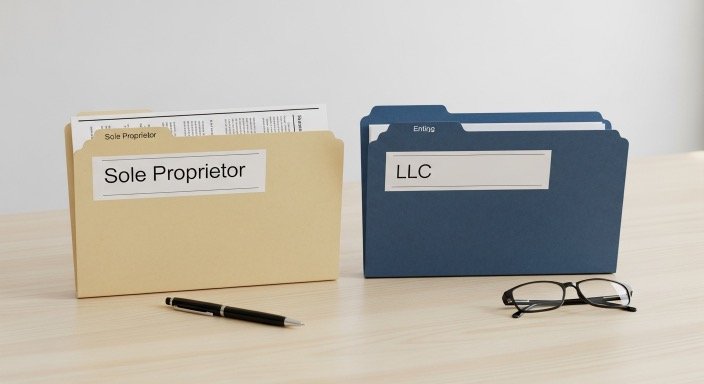
Business Structure: Sole Proprietor vs. LLC
Freelancers vs Self-Employed
Freelancers vs Self-Employed
Freelancers and self-employed individuals often operate as sole proprietors by default. But forming an LLC (Limited Liability Company) can provide:
- Legal protection
- Easier business banking
- Possible tax benefits
Explore whether an LLC is right for you in Should You Pay Yourself a Salary as a Freelancer?.
Common Mistakes to Avoid
- Not tracking income properly
- Mixing personal and business expenses
- Missing quarterly payments
- Failing to save for taxes throughout the year
- Ignoring deduction opportunities
Pro tip: Use accounting tools like QuickBooks Self-Employed or Wave to automate tracking.
Final Thoughts: Know Your Classification, Maximize Your Savings
Whether you call yourself a freelancer, contractor, or self-employed professional, the IRS treats you similarly when tax season rolls around. Knowing your responsibilities and rights can make all the difference.
By understanding how you’re classified, using deductions wisely, and planning for taxes year-round, you can avoid penalties and keep more of what you earn.
And remember — tools like our Freelance Tax Calculator make this easier than ever.
Our Authority Sources
- IRS: Self-Employed Tax Center
- IRS: Form 1099-NEC
- QuickBooks: Self-Employed Guide
- QuickBooks Self-Employed
- Wave